

Are Expensive Gadgets Worth the Price? A Practical Guide
Table of Contents
- How to Judge If Expensive Gadgets Are Worth the Price
- The Three Questions That Decide Every Purchase
- Budget vs. Premium Gadgets: What the Price Difference Actually Buys
- Expensive Gadgets Worth Buying: Categories Where Price Tracks Quality
- Gadget Cost of Ownership: The Math Most Buyers Skip
- Best Value Gadgets: Where Practical Beats Premium
- A Buyer-Specific Decision Framework
- Conclusion
- Frequently Asked Questions
Last Updated: October 12, 2026
How to Judge If Expensive Gadgets Are Worth the Price
Are expensive gadgets worth the price? Price alone tells you almost nothing. A higher price tag only pays off when it buys durability, better performance, or a feature you will use daily.
The value of an expensive gadget is the benefit it delivers divided by what it costs to own over its full life. Most buyers only look at the sticker price and ignore the second number: cost per month, per use, or per year.
Below, we break down a framework for judging any premium gadget and the ownership math most shoppers skip.
Consumer Reports buying guide on product durability
The Three Questions That Decide Every Purchase
Three questions settle nearly every expensive-gadget decision. Ask them before you buy.
- How often will I use it? A gadget used daily earns its price fast. One used twice a year rarely does.
- What breaks on the cheap version? If budget models fail at the same weak point, paying for better build quality is a real upgrade.
- What does it cost to keep running? Replacement parts, refills, and power draw all count toward the true cost.
Budget vs. Premium Gadgets: What the Price Difference Actually Buys
The price difference between budget and premium gadgets usually buys four things: materials, precision, longevity, and support. Sometimes you get all four; often you get one.
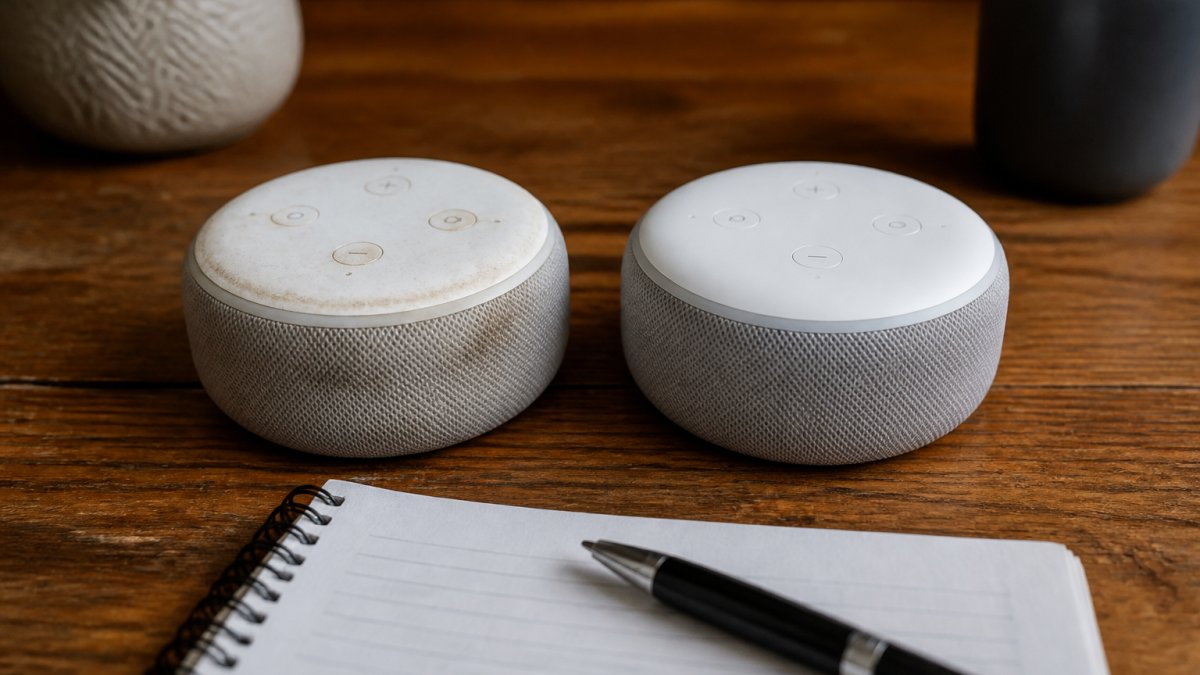
What the Premium Version Does Not Buy
Paying more does not guarantee better performance in every category. In audio, the jump from budget earbuds to mid-range is large, but mid-range to flagship is often small and mostly about noise cancellation and build materials.
A common pattern is that the premium version wins on durability and support but ties the budget version on the core task. When that happens, decide based on how often you will use it, not the feature list.
Alternatives to Buying New
Before you pay full premium price, check the refurbished, open-box, and previous-generation market. Manufacturer refurbished units often carry a warranty and cost meaningfully less than new, and previous-generation models frequently share the same core components as the current version. For gadgets you will use rarely, renting or borrowing beats buying at any tier.
Expensive Gadgets Worth Buying: Categories Where Price Tracks Quality
Some categories reward spending, and others do not. Price tracks quality most closely in items that face heat, movement, or daily wear.
- Charging and power gear: Safety circuits and steady output matter. Our wireless charger stand is Qi-certified with cooling vents, so it holds up under nightly use.
- Kitchen equipment: Knives, pots and pans, and small appliances live with heat and water. Better steel and coatings last longer.
- Car accessories: Heat, vibration, and spills punish cheap builds. A smart car cup warmer and cooler at $51.81 uses digital temperature control to hold a drink steady on a commute.
Gadget Cost of Ownership: The Math Most Buyers Skip
Cost of ownership is the total you spend to use a gadget over its life, not just the day you buy it.


A simple formula works for almost anything:
Cost per use = purchase price ÷ (uses per week × weeks owned)
A $72 portable projector used three times a week for two years costs about 23 cents per use. A cheap projector replaced every eight months costs more in the end, even if it looked cheaper up front.
But purchase price is only the first line. The full ownership picture has five more.
The Five Hidden Costs
- Maintenance and consumables. Filters, blades, refills, and cleaning supplies add up. A premium espresso machine may need descaling solution and replacement gaskets; a budget one may need replacing entirely.
- Repairs and replacement parts. A repairable gadget with available parts can be fixed for a fraction of replacement cost. A sealed unit cannot, so its true cost is the full replacement price every time it fails.
- Accessories. Many premium gadgets only deliver their best performance with a proprietary accessory, a special blade, a specific cable, a branded filter. Price those in before you commit.
- Energy use. Devices that run continuously or heat up draw real power. A more efficient premium model can offset part of its higher price over several years of daily use.
- Warranty and support value. A one-year warranty versus a 90-day warranty changes the math. If a product commonly fails in month eight, the longer warranty is worth real money.
A Worked Comparison
Consider two ways to solve the same problem: a cheap version replaced often, and a premium version kept longer.
| Line Item | Budget Path | Premium Path |
|---|---|---|
| Purchase price | Lower | Higher |
| Replacements over 3 years | Two or three | Zero or one |
| Consumables | Similar | Similar |
| Repairs | Often not possible | Possible with parts |
| Warranty coverage | Short | Longer |
| Effective cost per year | Rises with each replacement | Falls as ownership lengthens |
The pattern is consistent: the budget path looks cheaper on day one and often costs more by year three. The premium path only wins if you keep and use the item long enough for the math to work.
Add refills, replacement parts, and power draw to the total. Our Portable Projector at $72.00 is a good example: a one-time cost that replaces repeated trips to a theater, so the cost per use keeps falling the longer you own it.
When the Ownership Math Says Do Not Buy
Sometimes the honest answer is that no price tier is worth it. If a gadget solves a problem you have once or twice a year, the cost per use stays high no matter how cheap the sticker price is. If the premium version requires expensive consumables you will not keep buying, its ownership cost is higher than it looks. And if you cannot name the recurring problem it solves, skip it entirely.
Best Value Gadgets: Where Practical Beats Premium
The best value gadgets are rarely the cheapest or the most expensive. They solve a daily problem without asking you to overpay for features you will not touch.
Practical beats premium when a gadget removes a small, repeated annoyance. Consider these:
- A Type-C and Micro USB smart IR remote adapter at $10.71 turns a phone into a universal remote and clears a pile of remotes off the table.
- A portable 3-in-1 air cooler fan at $4.14 cools a desk or car seat with three wind speeds and a humidifier, for the price of a coffee.
A Buyer-Specific Decision Framework
The right call depends on who you are and how you use the thing. Use this framework to match the spend to your situation.

- If you use it daily and it affects comfort or safety: Buy the better version. The cost per use drops fast.
- If you use it rarely for a simple task: Buy the budget option and save the difference.
- If it is a gift for someone else: Choose a practical item tied to a real problem. Better Business Bureau tips on smart gift buying
A common mistake is buying three cheap versions of the same gadget before finally buying the good one. That path costs more than buying well once.
Conclusion
Judging whether expensive gadgets are worth the price comes down to use, durability, and ownership cost, not the number on the tag. When a gadget earns its place in your daily routine, paying more often saves money over time.
At 0ne Less Thing and Apparel, we focus on practical products that simplify your day. From a Qi-certified 3-in-1 charging station to a portable projector for movie nights, our collection fills everyday needs without the markup for features you will never use.
Frequently Asked Questions
Are expensive gadgets worth the price?
It depends on how often you will use the gadget and whether the extra cost buys durability, better performance, or features you will actually use. A $72 portable projector that gets used weekly for movie nights may deliver more value than a cheaper model that sits in a drawer. The price tag alone does not determine worth; your usage pattern does.
What makes a gadget worth paying more for?
Three factors matter most: build quality that survives daily handling, performance that solves your specific problem, and features you will use regularly. A car cup warmer/cooler with intelligent temperature control and a digital display earns its $51.81 price if you commute daily and want your coffee at the right temperature. If you rarely drive, a basic travel mug does the same job for less.
Do expensive gadgets last longer than cheaper ones?
Not automatically. Price and durability correlate in some categories, like kitchen knives and headphones, where better materials and construction cost more. In other categories, like phone accessories and small electronics, the gap between a budget option and a premium one is often branding rather than build quality. Check warranty terms, replacement part availability, and owner reviews before assuming a higher price means a longer lifespan.
How do you compare the total cost of a gadget?
Divide the purchase price by the number of times you expect to use it. A $72 projector used twice a week for two years costs about $0.35 per use. A $20 alternative that breaks after three months costs more per use despite the lower sticker price. Add in accessories, replacement parts, and electricity where relevant to get the full picture before deciding.