

Best Car Accessories for Daily Commuters
Table of Contents
- Essential Car Gadgets for Long Drives That Actually Earn Their Space
- Emergency Car Kit Checklist: What Belongs in Every Commuter Vehicle
- How to Improve Car Comfort for Daily Driving Without Replacing Your Seats
- Cleaning and Visibility Tools for the Daily Grind
- What to Ignore When Shopping for Car Accessories
- Frequently Asked Questions
Last Updated: September 20, 2026
Essential Car Gadgets for Long Drives That Actually Earn Their Space
The best car accessories for daily commuters solve specific, repeated problems rather than adding clutter. This guide from 0ne Less Thing and Apparel focuses on gear that earns permanent dashboard space, tested against real commuting conditions like potholes, temperature swings, and long hours behind the wheel.
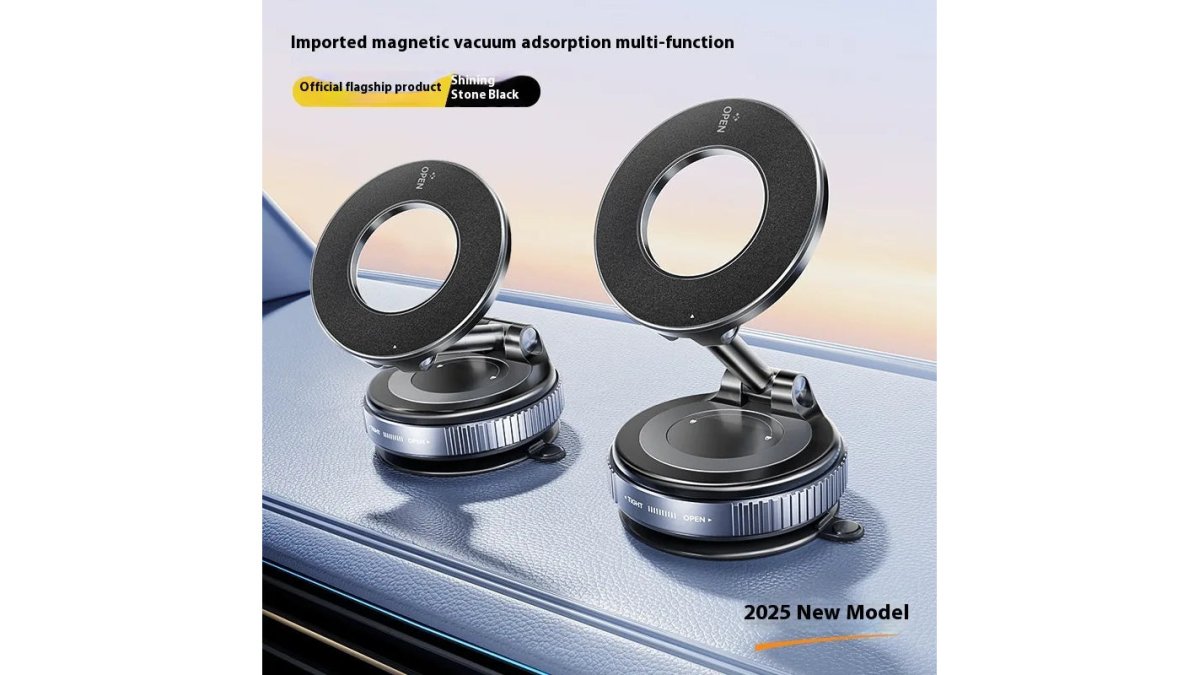
Phone Mounts That Survive Potholes
A phone mount fails the moment it slides, drops, or blocks your view. The fix is a magnetic system with a stable base, not a suction cup that gives up in summer heat.

Temperature Control on the Go
Drinks go cold on a winter commute and warm on a summer one. A powered cup holder fixes both.
Emergency Car Kit Checklist: What Belongs in Every Commuter Vehicle
An emergency car kit checklist should cover breakdowns, minor injuries, and visibility problems, not just roadside repairs. Keep it in a single container so nothing gets buried under groceries.
The Core Kit
- Jumper cables or a portable jump starter
- Tire inflator and pressure gauge
- Flashlight with spare batteries
- First aid kit with bandages and antiseptic wipes
- Reflective triangles or road flares
- Basic tool set with screwdrivers and pliers
- Bottled water and a non-perishable snack
- Phone charging cable and a 12V USB-C adapter
What Most Checklists Miss
Generic lists stop at the core kit. Daily commuters face a narrower, more repetitive set of risks than road-trippers, and the gaps show up in three places:
- A way to signal without exiting the vehicle. If you break down in a travel lane, stepping out to place triangles is the most dangerous moment of the whole event. A plug-in 12V LED warning beacon or a magnetic-mount strobe you can stick on the roof from the driver's window keeps you inside until traffic has cleared.
- A seatbelt cutter and window breaker. A single tool that combines both lives in the door pocket and costs less than a tank of gas. It is the one item you cannot improvise in an emergency.
- A printed contact card. If your phone is dead or damaged, a laminated card with your emergency contact, insurance policy number, and roadside assistance member ID is faster than digging through a glovebox full of registration paperwork.
A Commuter-Specific Maintenance Schedule
Most articles tell you to "check the kit once a season" and stop there. A tighter schedule tied to the way commuters actually drive keeps the kit functional:
| Interval | What to Check | Why It Matters for Commuters |
|---|---|---|
| Monthly | Flashlight batteries, tire pressure gauge accuracy | Daily temperature swings drain cheap batteries and drift gauge readings |
| Every 3 months | Water expiration, snack freshness, first aid supplies | Cabin heat degrades supplies faster than a garage-stored kit |
| Every 6 months | Jumper cable clamps for corrosion, jump starter charge level | A jump starter that sat unused all summer may not hold a charge in winter |
| Annually | Replace flares past their expiration date, restock antiseptic wipes | Flares and wipes have hard expiration dates printed on the packaging |
| Before winter | Add a blanket, ice scraper, and cat litter or traction mat | Cold-weather breakdowns are the most common commuter emergency |
| Before summer | Add extra water and a sunshade | Heat turns a 20-minute wait into a dehydration risk |
Where to Store It
A single container is the rule, but the container matters. A soft-sided trunk organizer with dividers keeps the kit from sliding into the spare tire well, and a smaller "grab pouch" with the first aid kit, seatbelt cutter, and contact card can live under the driver's seat so the essentials are reachable without opening the trunk. If you drive a sedan with a shallow trunk, a collapsible organizer that folds flat when empty preserves cargo space on grocery runs.
How to Improve Car Comfort for Daily Driving Without Replacing Your Seats
Improving car comfort for daily driving comes down to supporting your neck, shoulders, and air quality, not buying new upholstery. Commuters who sit for an hour or more each way often feel stiffness before they feel pain, and that is the signal to act.
The Ergonomic Angle Most Accessory Guides Skip
Nearly every "best car accessories" list treats comfort as a product category. It is not. Comfort is a posture problem, and the accessories only help if they correct the specific way your body loads the seat during a long commute. Three adjustments matter more than any single purchase:
- Seat back angle. A common pattern among physical therapists is that drivers recline too far, which forces the neck forward to keep the eyes level. Aim for a back angle around 100 to 110 degrees from horizontal, roughly a hand's width of recline past vertical.
- Seat bottom tilt. Raising the front edge of the seat slightly supports the underside of the thighs and takes load off the lower back. Many seats have a tilt adjustment most drivers never touch.
- Steering wheel distance. Sit so your wrists rest on the top of the wheel with arms nearly straight. Sitting too close rounds the shoulders forward and is a leading cause of upper-back fatigue on long drives.
Neck and Shoulder Support for Long Commutes
The SkySoothe-Neck Pillow ($18.99) uses an ergonomic contour and an adjustable strap to cradle the neck and shoulders during long journeys. It is the practical pick for commuters who want support without a permanent seat modification. Look for a pillow that fills the gap between the back of your neck and the headrest rather than pushing your chin forward, a pillow that tilts the head down will make stiffness worse, not better.
2-in-1 Smart Car Cup Warmer/Cooler →

Lower-Back and Seat Support
A lumbar roll placed at the small of the back restores the inward curve the seat flattens out. The rule of thumb is to place it at beltline height, not higher, a lumbar support that rides up under the shoulder blades does nothing for the lower back. A rolled towel works as a free test before you buy anything; if the towel helps, a dedicated cushion will help more.
Eye Strain and Cabin Air
Two comfort problems get almost no coverage in accessory guides, yet they hit every multi-hour commuter:
- Eye strain. Staring at a fixed distance for an hour strains the focusing muscles. Glancing at the dashboard, mirrors, and side windows every few minutes gives the eyes a range of focal distances and reduces end-of-drive fatigue. A matte dashboard cover also cuts the glare that reflects off the windshield and forces squinting.
- Cabin air. Stale, dry cabin air makes a long commute feel longer. A small USB-powered fan with a humidifier function can move air and add moisture without a full climate control upgrade. Position it so it does not blow directly on your face, and refill the tank before you leave rather than mid-drive. Running the climate system on recirculate traps humidity and allergens; switching to fresh-air mode for a few minutes each trip clears the cabin.
Cleaning and Visibility Tools for the Daily Grind
Windshield haze builds slowly and cuts night visibility before you notice it. A dedicated glass cleaner removes the oil film that ordinary washing leaves behind.

What to Ignore When Shopping for Car Accessories
Most accessory purchases fail for one reason: they solve a problem you do not have. Before buying, ask whether the item addresses something you hit at least weekly.
| Common Mistake | The Fix | Why It Matters |
|---|---|---|
| Buying a mount without checking phone size | Verify your phone is 4.7 inches or larger for magnetic models | Undersized or oversized phones slip or fail to clamp |
| Skipping the non-slip base | Choose a mount with a large non-slip mat | Adhesive pads soften in heat and drop your phone |
| Ignoring power requirements | Confirm USB current is above 2A for powered gadgets | Underpowered devices run poorly at high settings |
| Letting the emergency kit expire | Recheck batteries, water, and flares each season | Expired supplies fail exactly when you need them |
| Overbuying gadgets at once | Add one accessory per month and keep what you use | Clutter pushes the useful items out of reach |
Frequently Asked Questions
What are the most useful car accessories for long commutes?
The most useful car accessories for daily commuters solve specific problems: a magnetic phone mount keeps navigation visible without blocking your view, a cup warmer or cooler maintains drink temperature, and a glass oil film remover improves visibility in rain. For comfort, a neck pillow supports posture on longer drives. Focus on items that address your actual pain points rather than filling your car with gadgets you will never use.
How can I make my daily commute more comfortable?
Start with posture support. Managing cabin temperature with a portable air cooler fan that offers adjustable wind speeds and spray modes can also enhance comfort. Small adjustments to your seating and environment make the biggest difference over time.
What should I keep in my car for emergencies?
A practical emergency car kit checklist includes a first aid kit, a tire inflator, a jump starter, a flashlight, and a basic tool set. Keep a reflective triangle for roadside visibility. In winter, pack a blanket and extra water. Check your kit every few months to replace expired items and confirm everything still works before you need it.
Are car organizers worth it for daily commuters?
Yes, if you carry the same items every day. Keeping your cabin organized prevents it from becoming a pile of receipts and empty cups. The value is not just neatness; it is safety. Loose items rolling under your pedals or distracting you while driving are a real hazard. Commuters who spend an hour or more in their car each day benefit most from simple organization tools that require no maintenance.
How do I keep my car clean during a daily commute?
Use a glass oil film remover on your windshield and side windows to cut through the grime that builds up from road spray and exhaust. A quick wipe-down of high-touch surfaces like the steering wheel and door handles every few days prevents buildup. Consistency matters more than deep cleaning sessions.